

A finished workplace can look beautifully simple.
But behind that simplicity are hundreds of decisions.
The alignment of a timber panel. The junction between two materials. The way lighting is integrated into joinery. The continuation of a line from wall to ceiling. The precision of a bespoke detail that most people using the space may never consciously notice.
It is about photographing craftsmanship.

A room photograph tells you what the space looks like. A detail tells you how well it was made.
There is an important difference.
When photographing completed workplaces, the obvious starting point is usually the wider architectural view. It establishes the scale, layout and overall design language of the project. But if we stopped there, a significant part of the story would be missing.
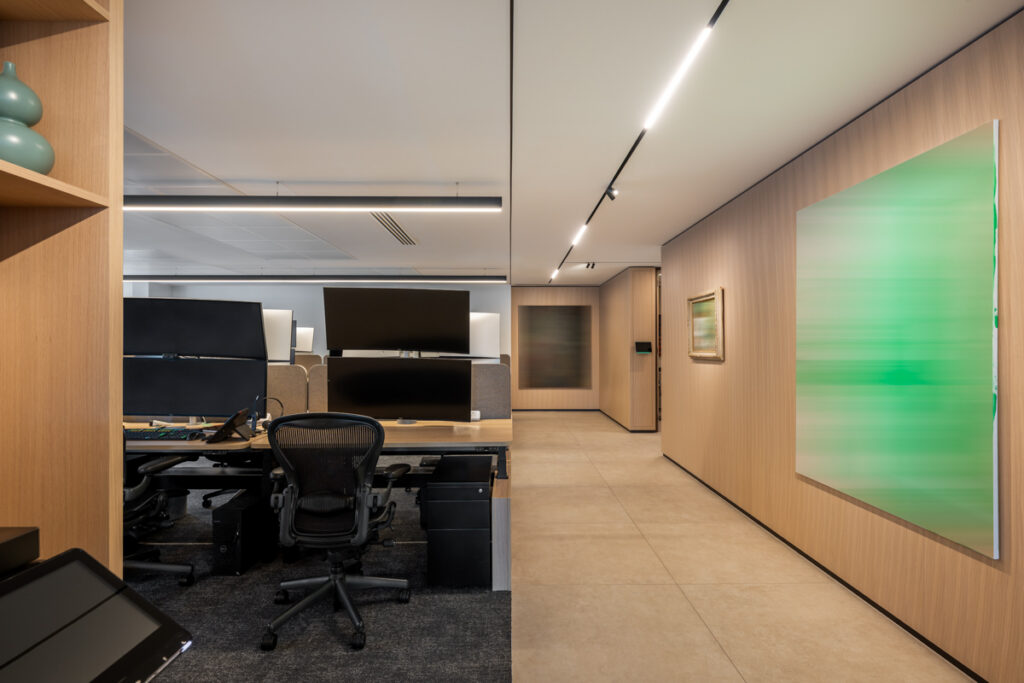
On this project, warm timber runs across walls and ceilings. Bespoke office joinery feels integrated into the architecture rather than added to it. Lighting sits precisely within architectural details, while clean lines continue from one element to another. These are the things that give the finished workplace its sense of quality.
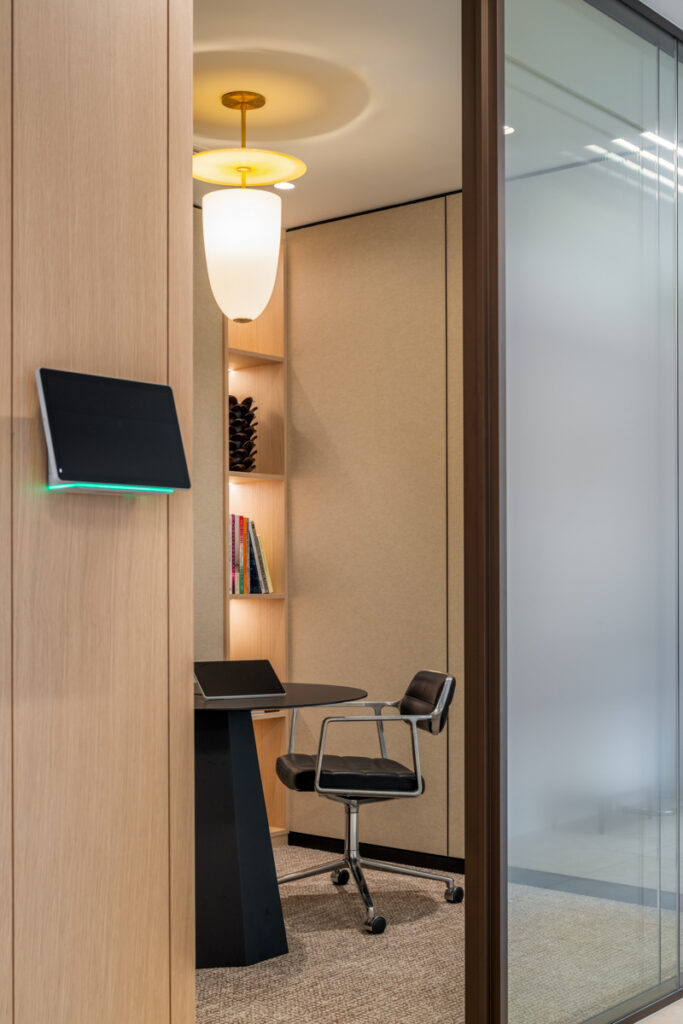
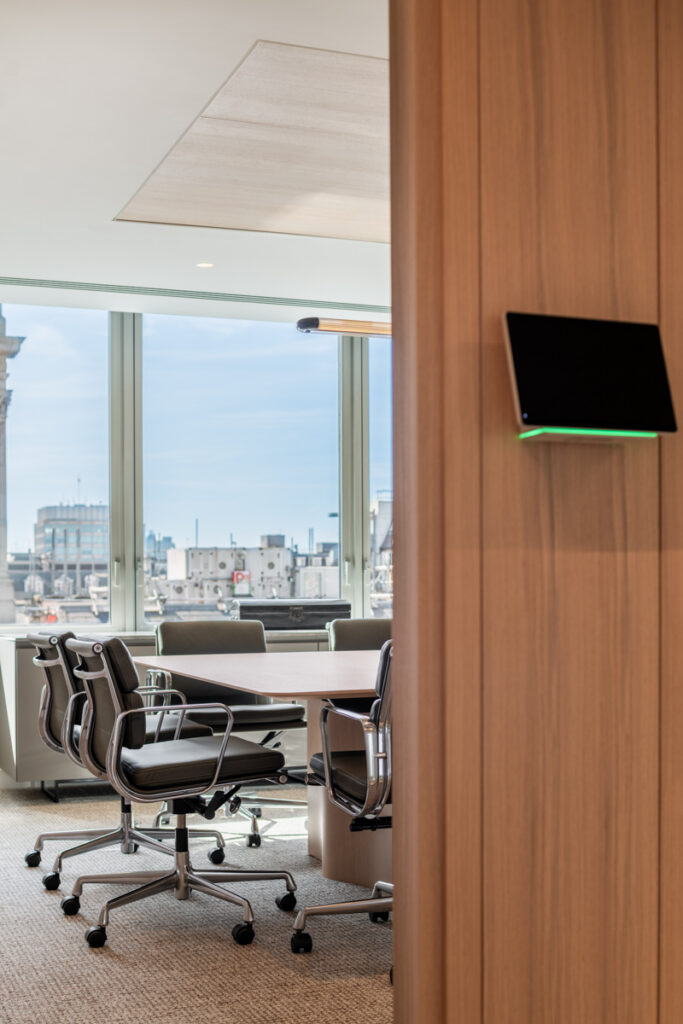
Quiet design leaves nowhere for poor detailing to hide
There is a real sense of restraint throughout this particular workplace. Warm timber, carefully controlled lighting and clean architectural lines create a calm visual language without relying on dramatic features. But restraint places even greater importance on execution. When there are fewer competing elements, you notice proportion, alignment, material transitions and finishing much more clearly. The craftsmanship becomes the design.
Our photography therefore needed to follow the same principle. Rather than introducing unnecessary drama through extreme perspectives or exaggerated compositions, we concentrated on clean lines, balanced framing and carefully selected details. The intention was to preserve the calmness of the design while allowing the quality of the workmanship to come forward.
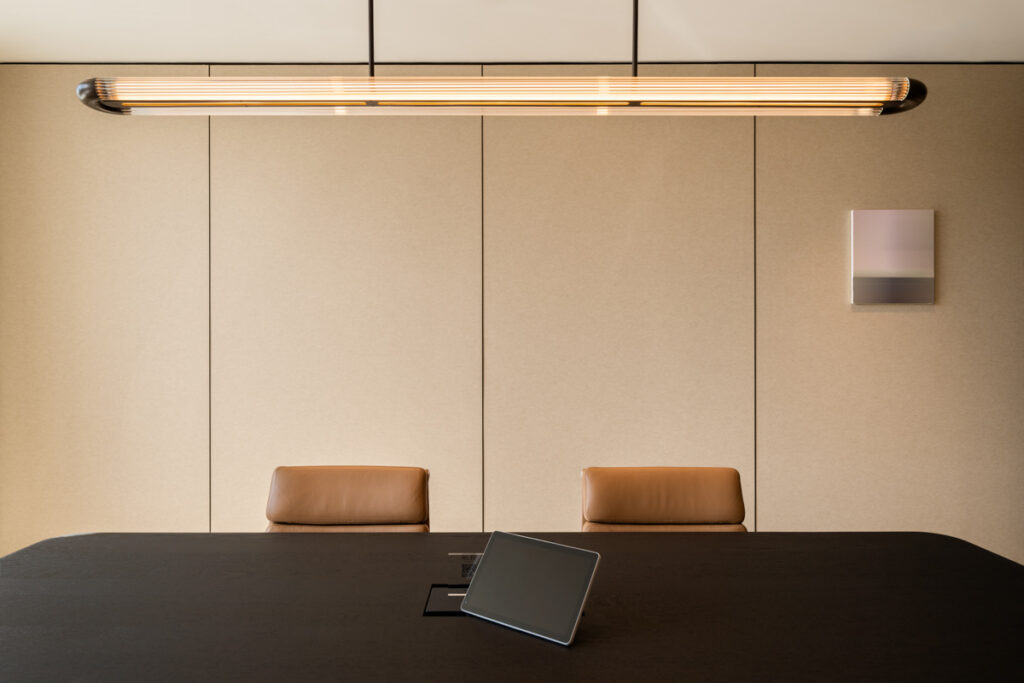
Office photography can make invisible work visible
One of the interesting things about photographing commercial interiors is that some of the most valuable work on a project can become almost invisible once it is finished. That’s often a sign that it has been done exceptionally well.
A beautifully resolved piece of office joinery doesn’t necessarily shout for attention. Integrated lighting doesn’t announce the coordination required to achieve it. Perfectly aligned materials don’t tell you how many conversations, drawings, measurements and adjustments happened before installation.
The finished photograph can’t show every stage of that process. But it can provide evidence of the result. For designers, fit-out contractors, joinery specialists, furniture manufacturers and other project partners, that evidence matters.
Photograph the expertise behind the space
Beautiful rooms will always be part of workplace photography.
But for us, the more interesting question is often:
What does this project prove about the people who created it?
Once we understand that, we can decide what actually needs to be photographed.
Sometimes it’s the architecture.
Sometimes it’s the furniture.
Sometimes it’s the way people experience the workplace.
And sometimes it’s a beautifully executed piece of joinery where a few millimetres of precision tell you more about the quality of the project than the widest photograph ever could.
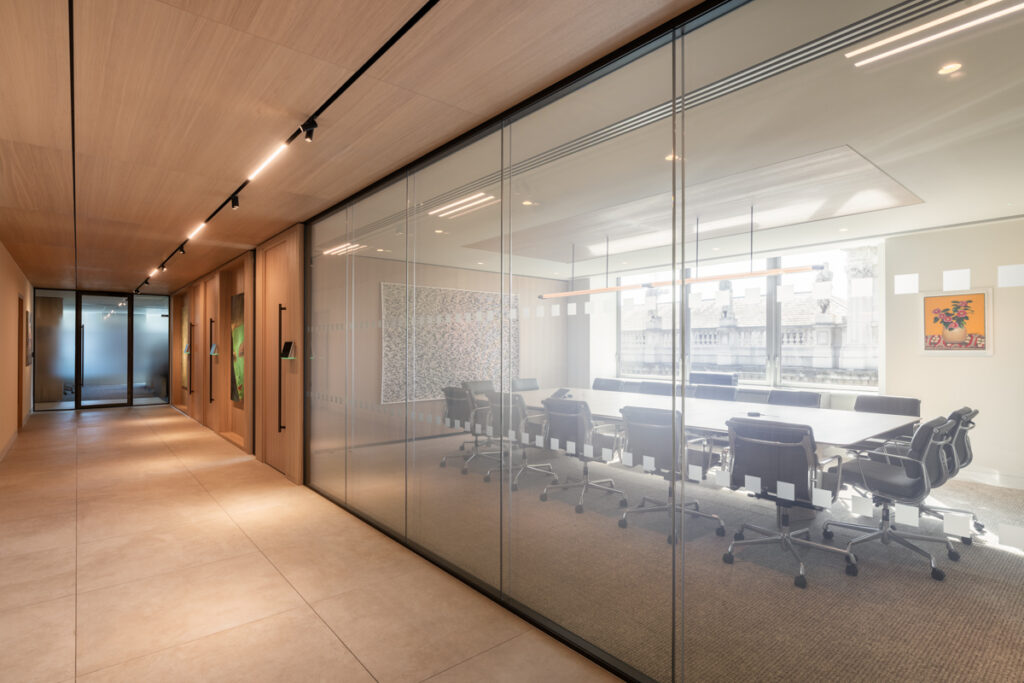
This London workspace by Loom + Form, delivered by our client Logic Workspace, was full of those moments.
Quiet, precise and considered down to the smallest detail.
A great pleasure for our team to photograph.

Share Post: