

First Impressions Start on Screen
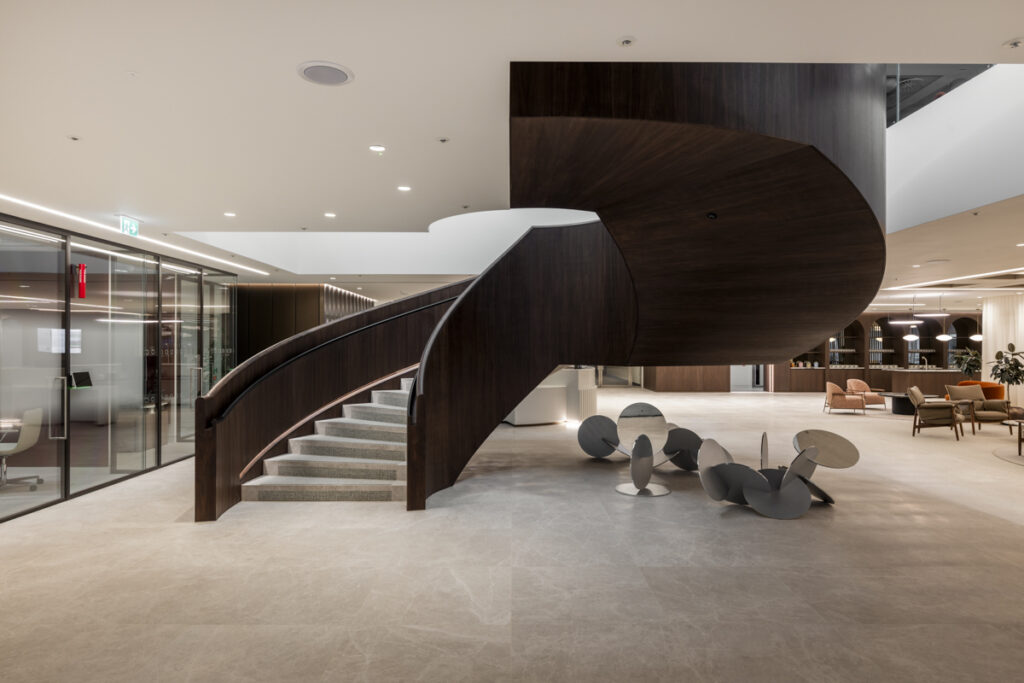
Last year alone, 7 to 9 million square feet of office space entered the market. But for most people, the first viewing didn’t happen in person. It happened online.
That shift has changed the way commercial office buildings are marketed and perceived. Today, first impressions are formed long before someone walks through the front door. A potential occupier scrolls through a listing, pauses on a few images, and within seconds starts building an opinion about the space.
And in a crowded market, those few seconds matter.
Most modern commercial office buildings already tick the expected boxes. Central locations. High-end finishes. Flexible amenities. Strong transport links. On paper, many of them look almost identical.
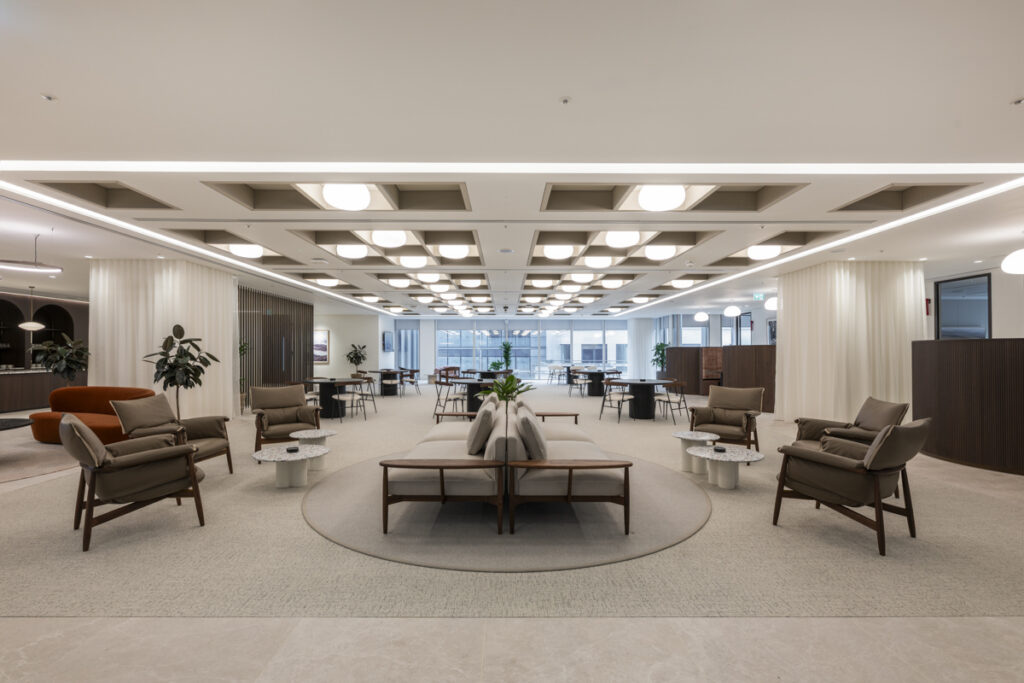
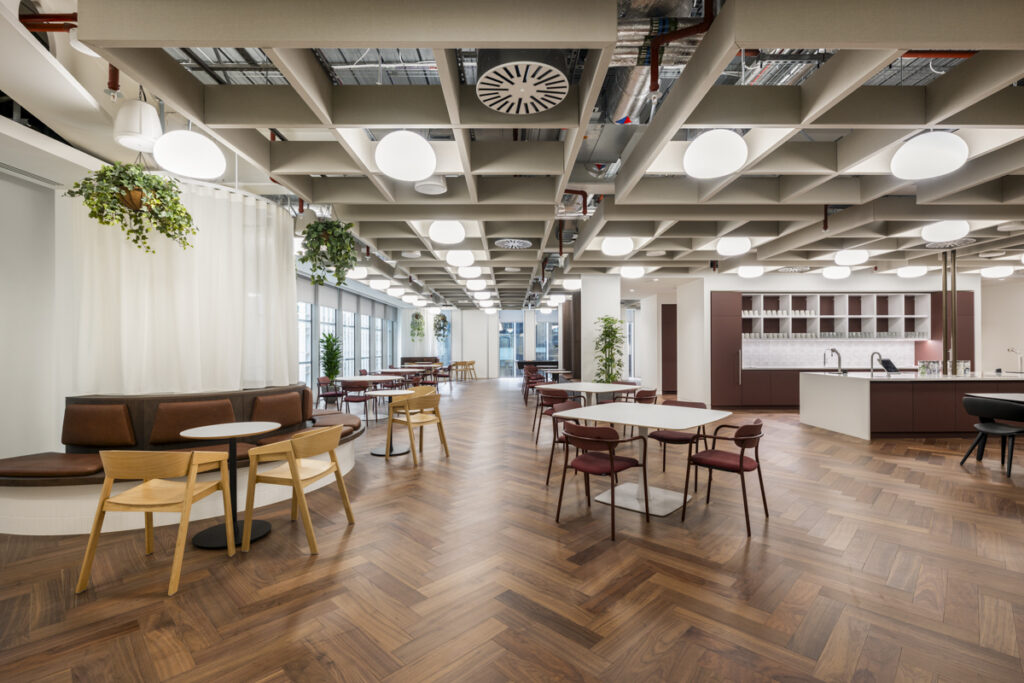
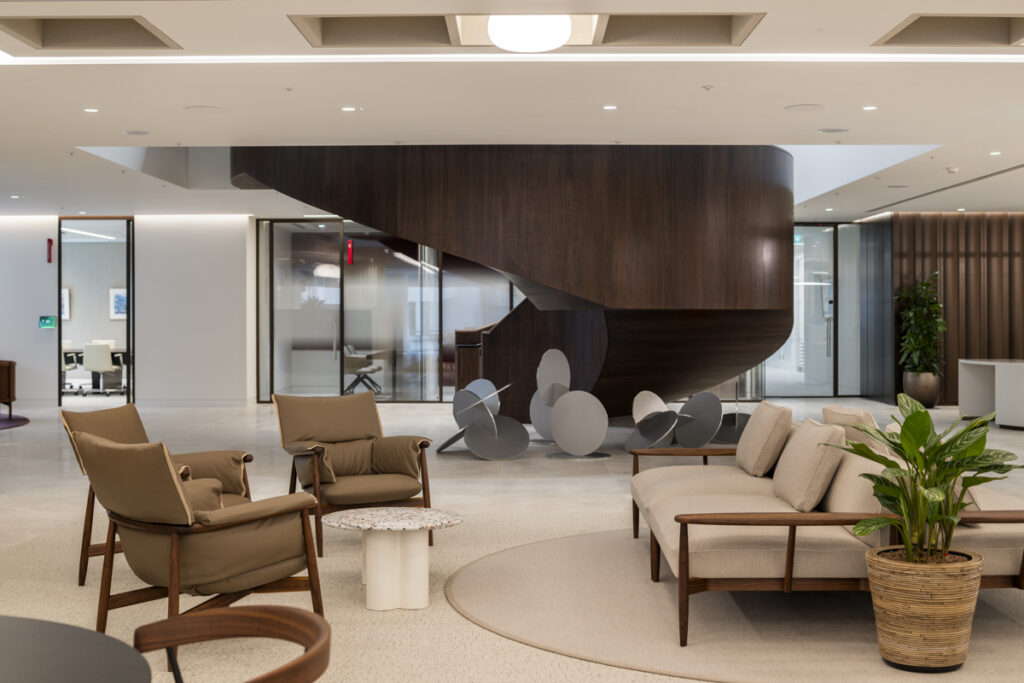
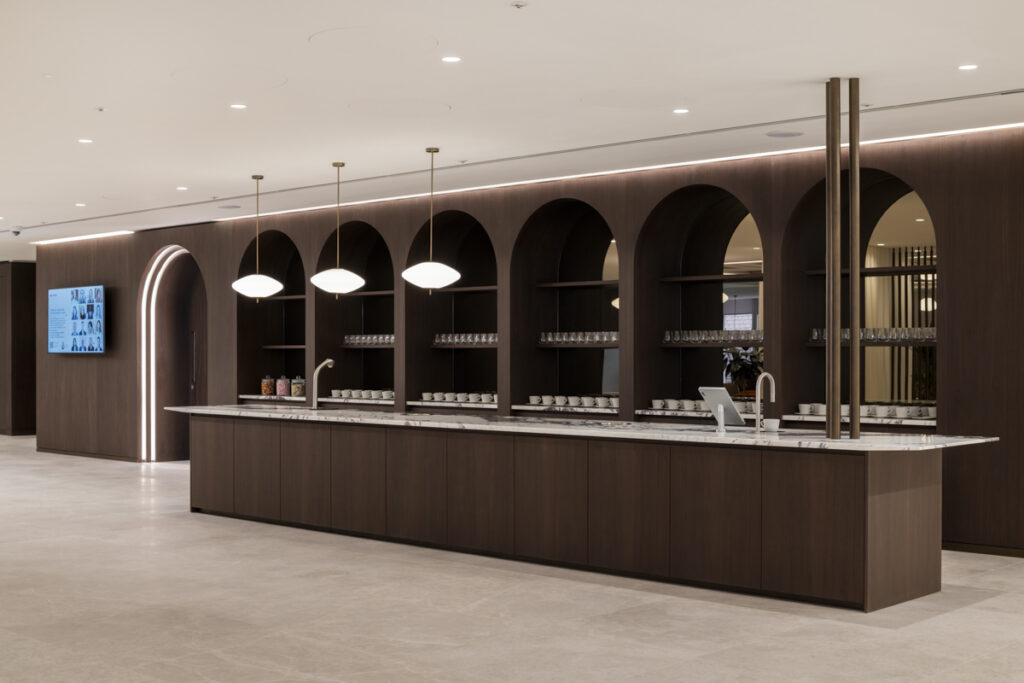
What actually sets one apart is how clearly the experience of the building is communicated.
Because people don’t choose office space based on square footage alone. They respond to something more instinctive:
- The feeling of arriving at the building
- The flow and clarity of the layout
- Spaces that support both focused work and collaboration
- The atmosphere employees experience every day
These are the details that shape how a workplace feels to occupy. They influence perception, culture, productivity, and ultimately decision-making.
The challenge is that these qualities are difficult to explain through floorplans or specifications alone.
A floorplan can show dimensions.
A brochure can list amenities.
CGIs can suggest a design vision.
But none of them fully capture the reality of being in the space.
That’s where photography becomes essential.
Strong photography translates architecture and design into something immediate and human. It helps viewers understand how a space works, how it feels, and how people might interact with it long before an in-person viewing ever takes place.
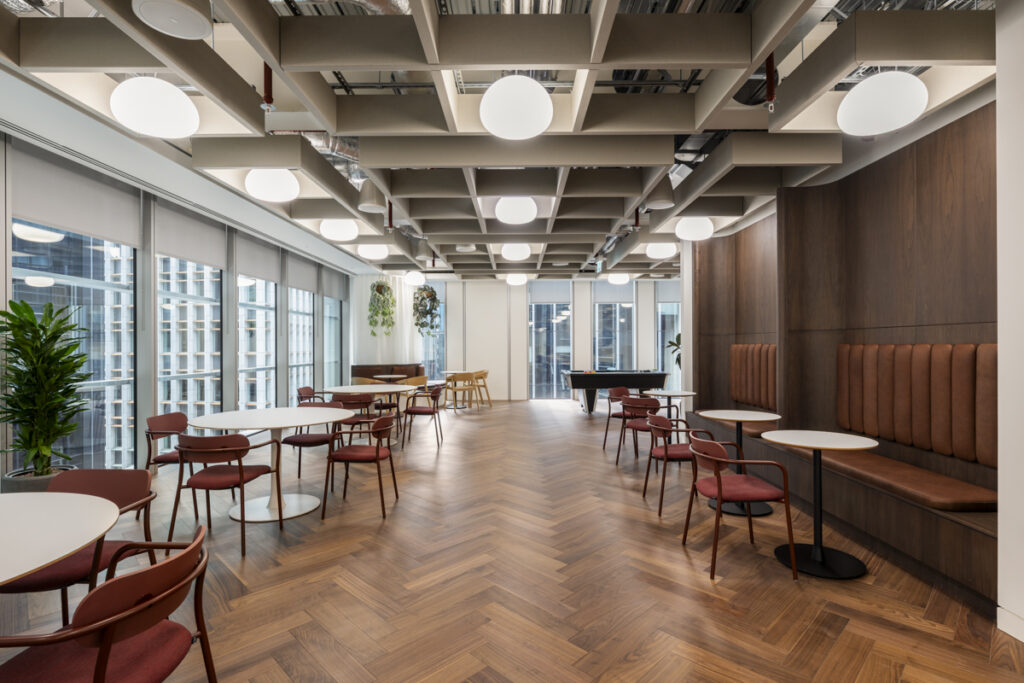
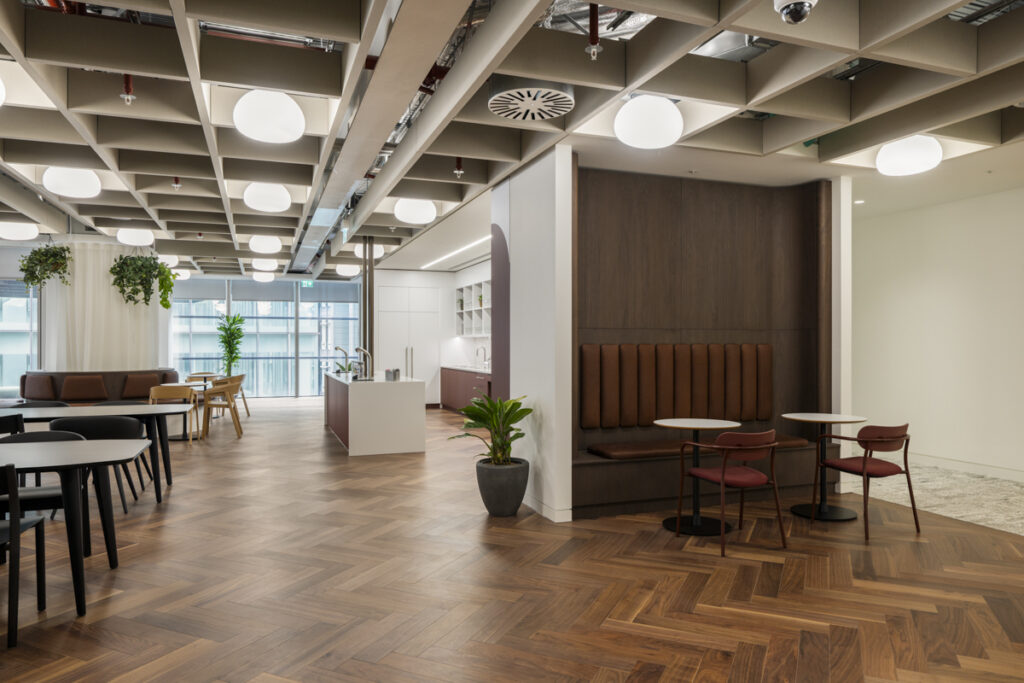
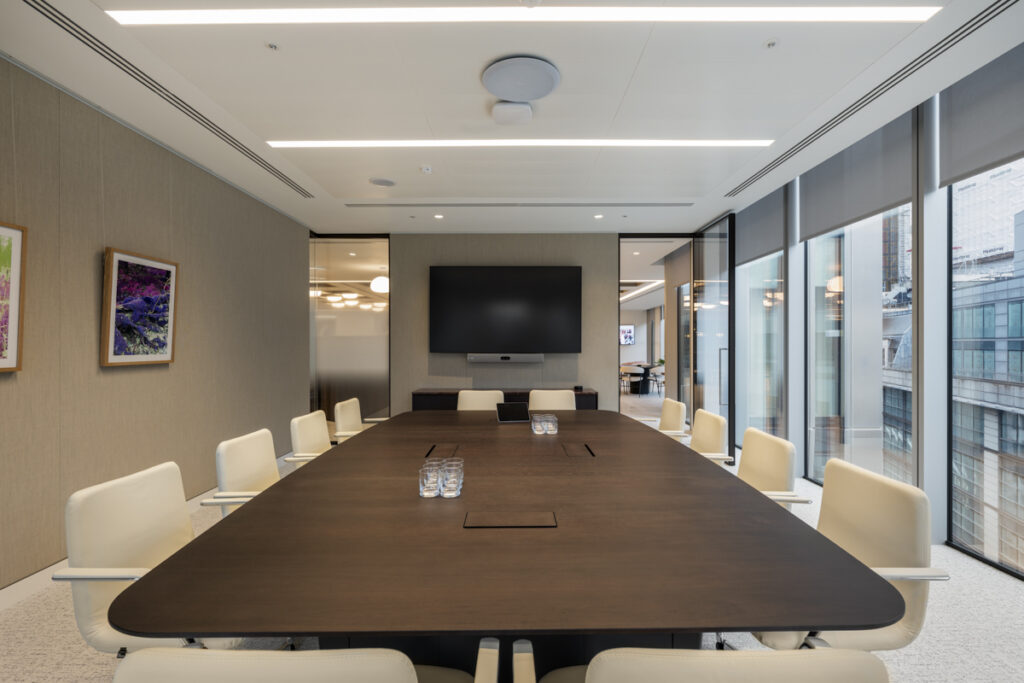
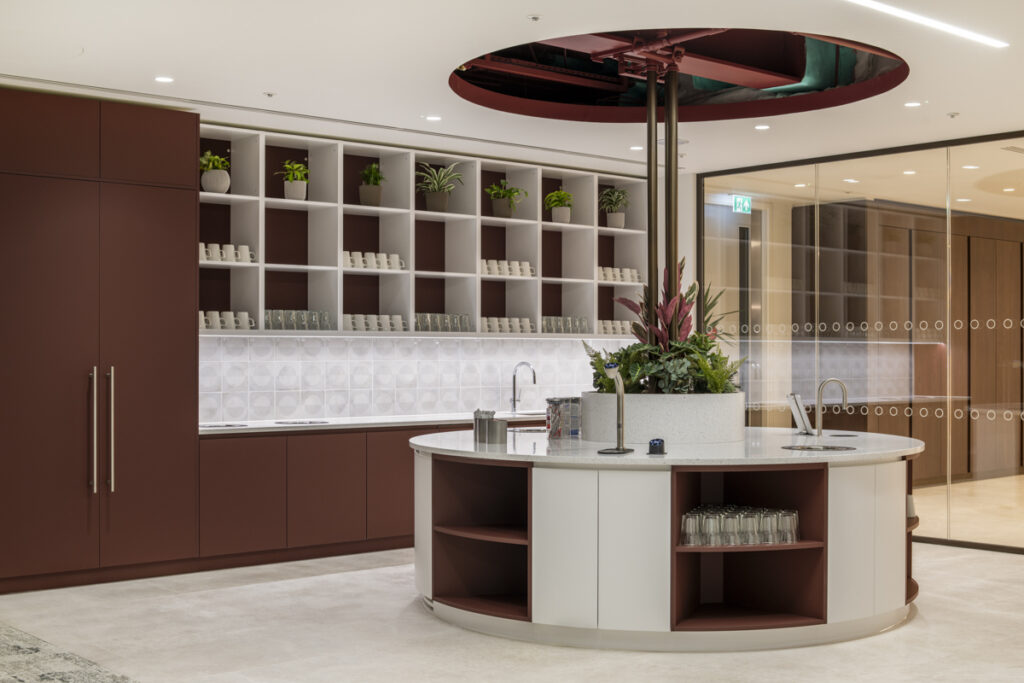
For commercial office buildings, photography is no longer just a finishing touch added at the end of a project. It has become part of the marketing strategy itself.
And that matters more than ever as new developments and repositioned office assets continue to compete for attention across London.
In many cases, the first viewing has already happened online before an enquiry is even made. The quality of that digital experience can shape whether a building is shortlisted or ignored.
Photography plays a direct role in that process. It helps commercial office buildings communicate value, create differentiation in a competitive market, and attract the right occupiers from the very first interaction.
Project by Savills
Share Post: