

Office Design Case Study Photography
In recent years we noticed how AI-generated imagery and CGI have become increasingly common in the workplace design industry. In fact, concept renders are faster, very polished, and more accessible than ever before.
But when it comes to office design case study photography, one question matters more than visual perfection:
Can stakeholders trust what they are seeing?
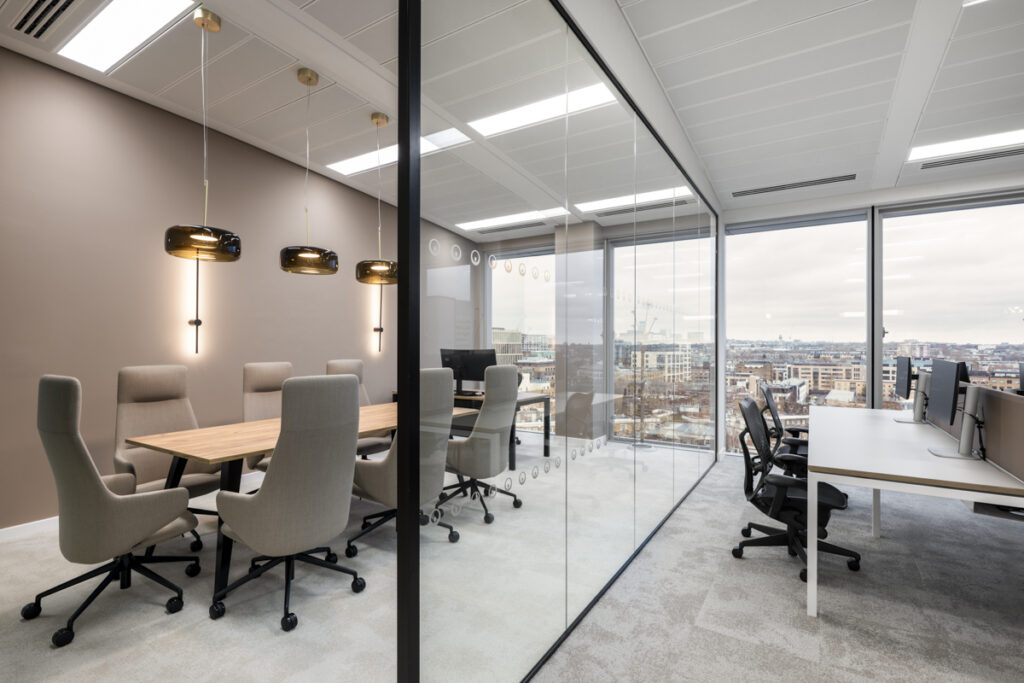
The Role of Office Design Case Study Photography
Office design case study photography is not about making spaces look impressive.
Its primary role is to prove delivery, performance, and credibility.
For office design companies, case study imagery is used to:
- win new clients
- support pitches and tenders
- communicate brand values
- demonstrate real-world outcomes
Unlike CGI or AI visuals, case study photography documents what actually exists, not what could exist.
That distinction is critical.
There is a Trust Challenge with AI and CGI Imagery
AI imagery is effective at visualising ideas, but when used to represent completed projects, it can introduce uncertainty.
Stakeholders often ask themselves:
- Is this a real project or a concept?
- Does the space truly function this way?
- Are these materials, layouts, and furniture solutions proven in use?
When visuals don’t clearly signal reality, trust erodes, even if the design itself is strong.
This is why photography remains essential.
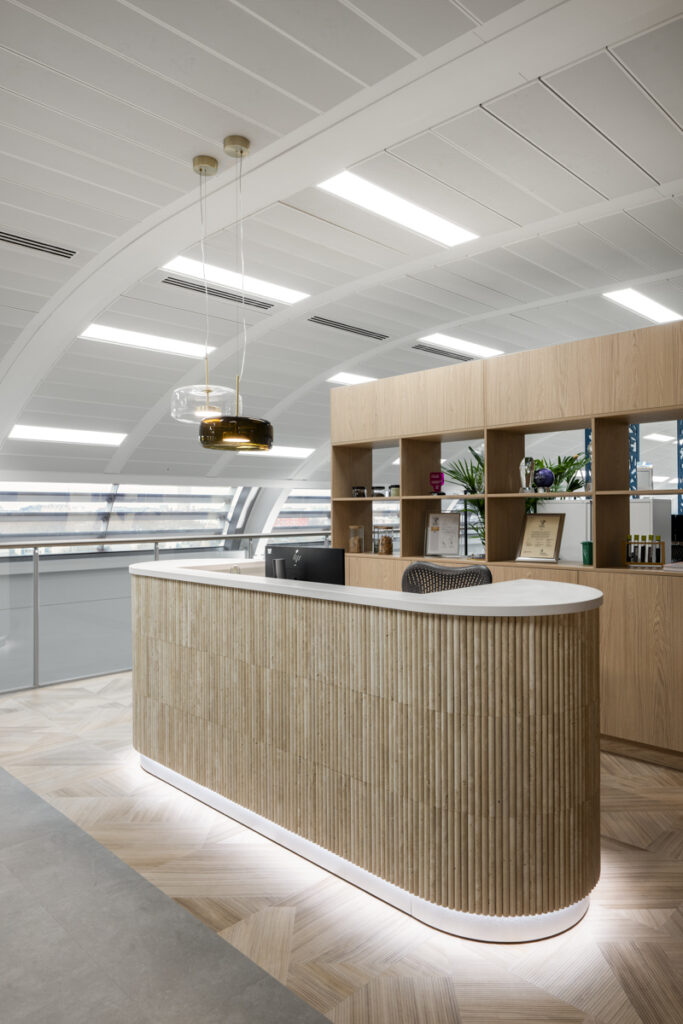
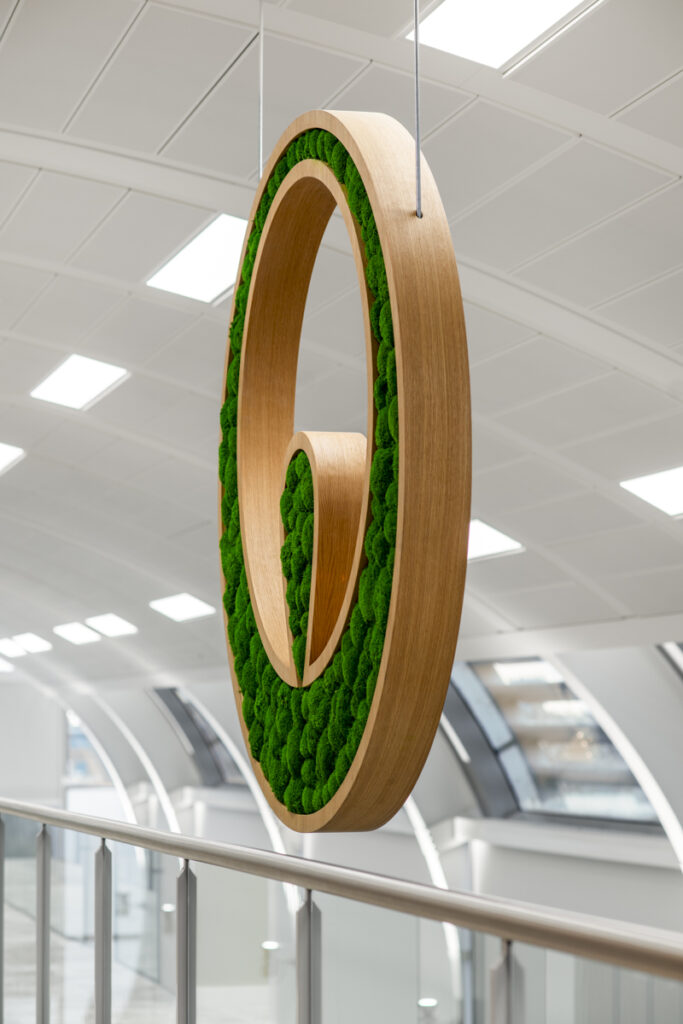
Why Authenticity Matters in Office Design Case Studies
Real photography carries elements that synthetic imagery cannot reliably replicate:
Context, texture, and traceable reality.
Office photography captures:
- how light behaves in real working environments
- how materials age, reflect, and interact
- how furniture supports movement, collaboration, and focus
- how people actually experience the space day to day
These details communicate credibility at a subconscious level. Even when viewers can’t articulate the difference, they recognise authenticity.
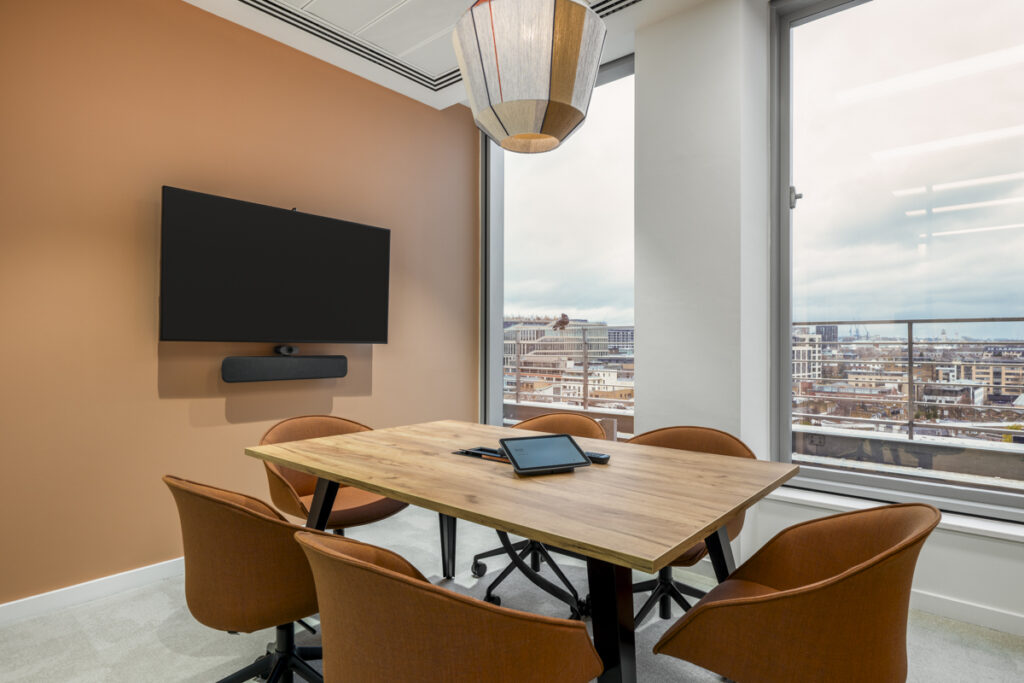
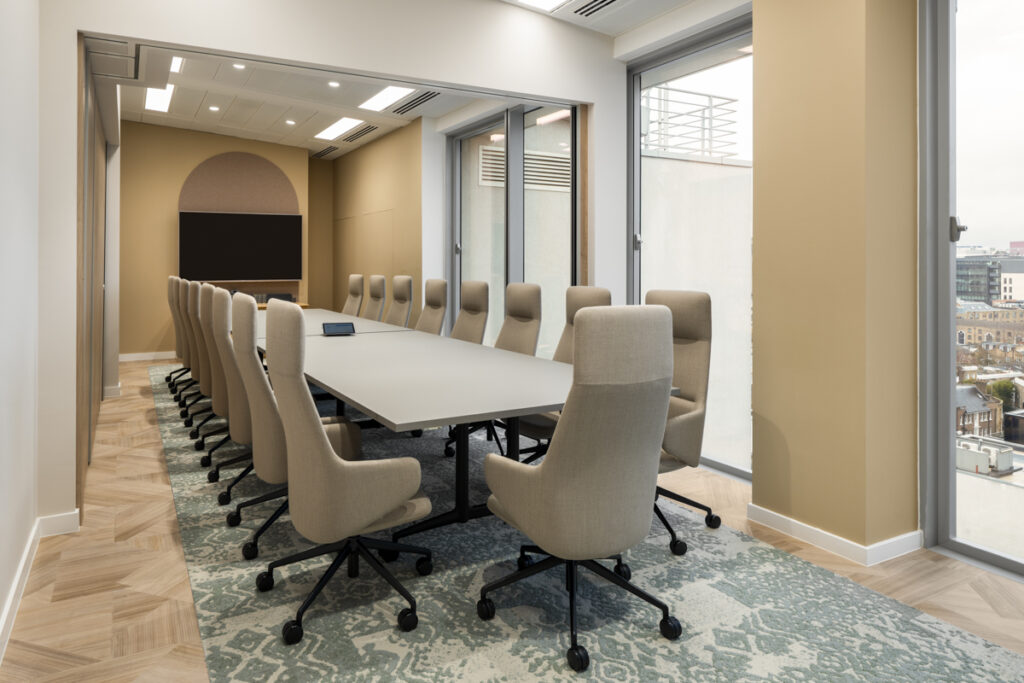
Human Perception and Visual Credibility
AI-generated images often appear flawless with perfect lighting, idealised proportions, and controlled environments.
But real workplaces are lived in spaces.
Small imperfections, natural wear, and genuine human interaction all signal realism but also they are proof.
And for decision makers, proof matters more than polish.
AI and Photography: Different Tools, Different Roles
AI imagery has a place in the office design process, particularly for early stage concepts and visual exploration.
But office design case study photography serves a different purpose:
- evidence, not aspiration
- experience, not simulation
- trust, not speculation
The two should complement each other, not replace one another.
So why Office Design Companies Still Rely on Real Case Studies?
A real photography remains a signal of accountability.
Office design companies that invest in strong office design case study photography demonstrate:
- confidence in their work
- respect for the client experience
- commitment to transparency
- credibility in competitive markets
Because trust is not built on ideal scenarios.
It’s built on what has been delivered.
Project design: Curo Workspace
Task furniture: Task Systems
Share Post: