

Why Vertical Images Dominate
One of the biggest social media photography trends of the last few years has nothing to do with filters, editing styles, or color palettes.
It’s the rise of the vertical image.
What started as a smartphone habit has now become a defining visual trend across workplace photography, architectural photography, and brand content. But the real reason vertical framing works so well goes deeper than convenience.
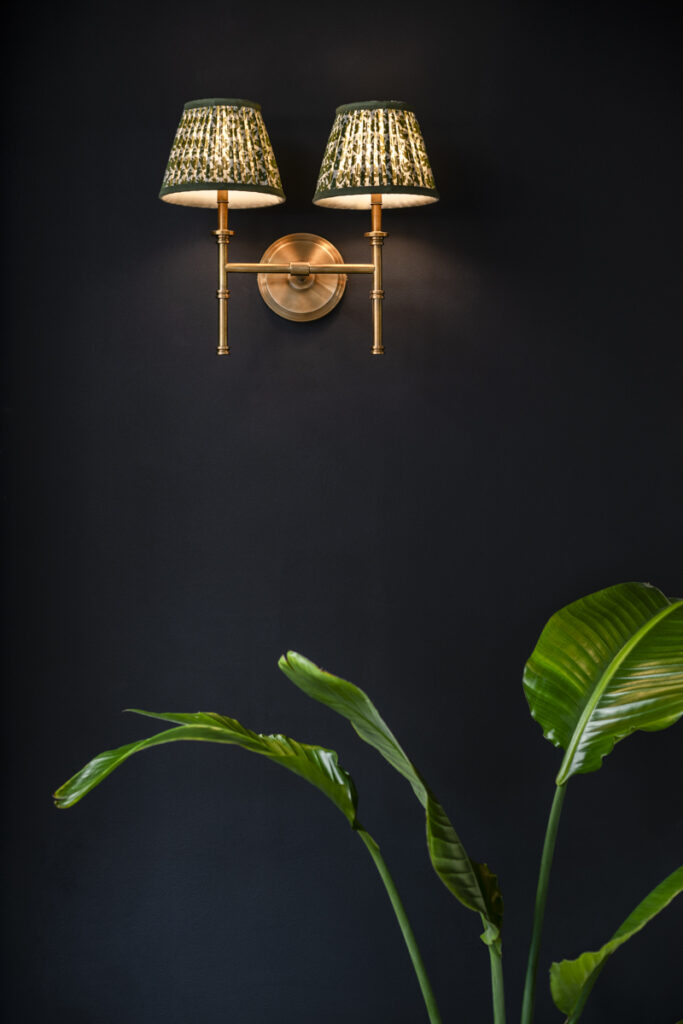
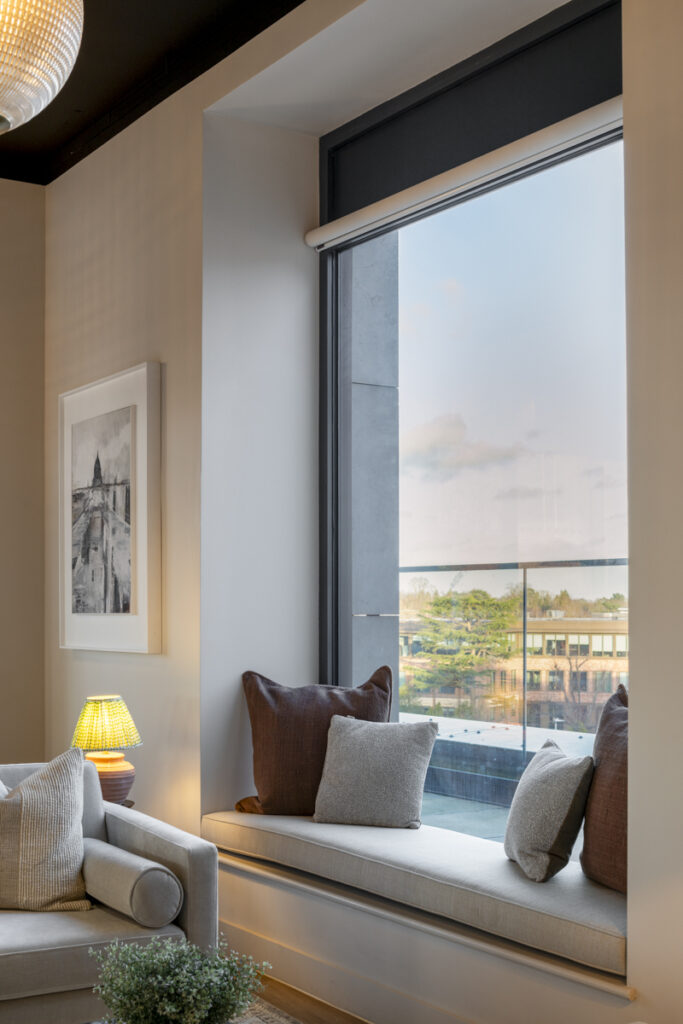
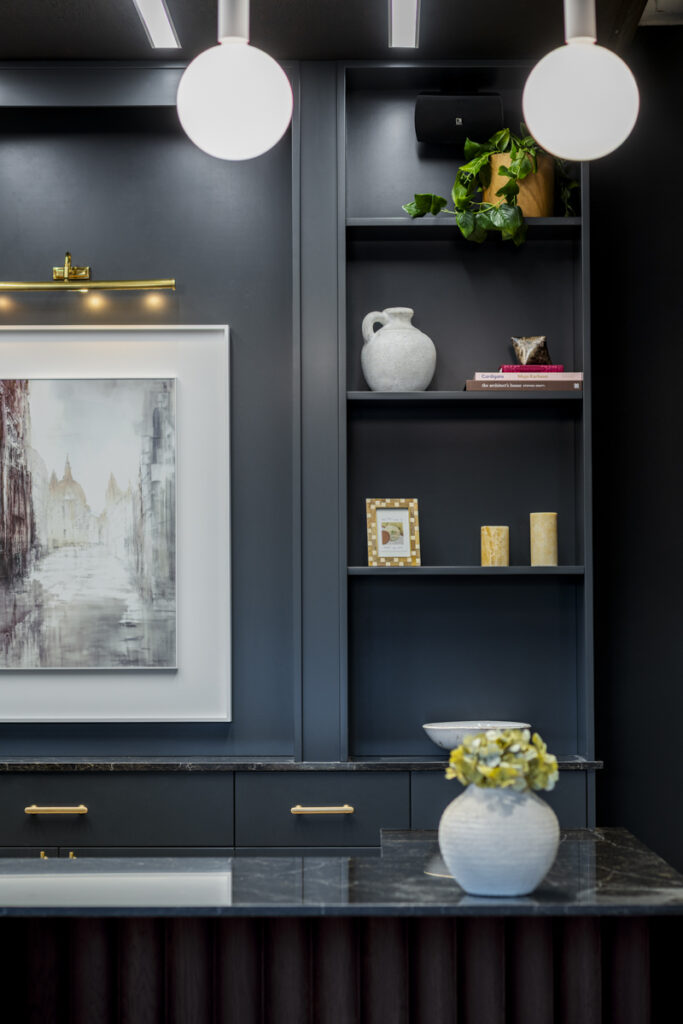
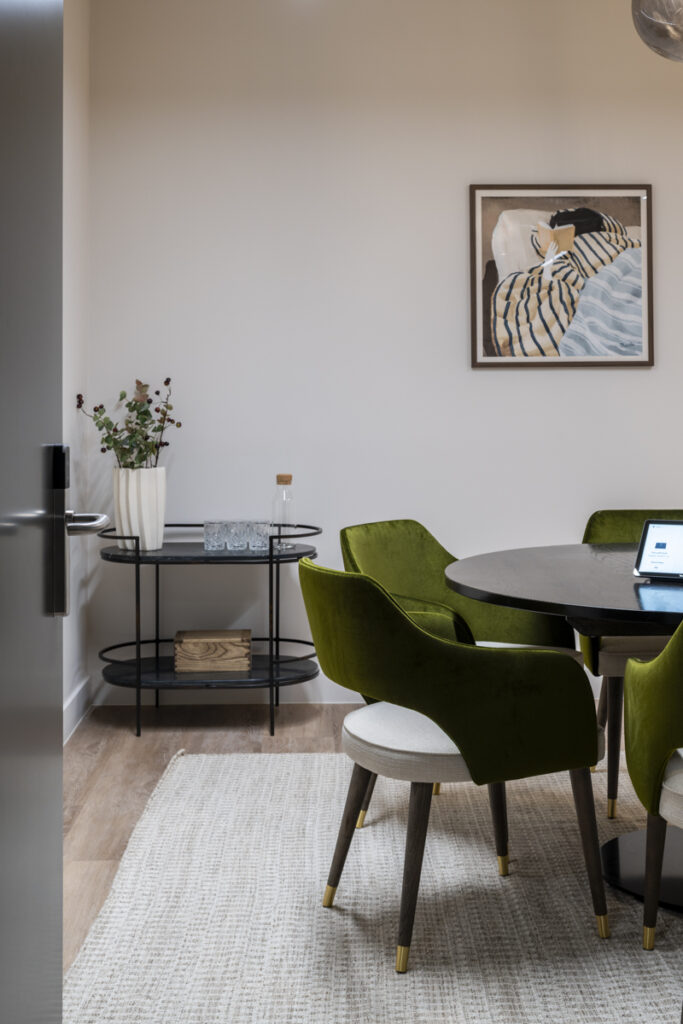
Vertical images align with how we stand, how we move, and how we interpret the world around us. Our environments are filled with tall, upright elements: doors, windows, shelving, plants, signage, chairs, pillars, frames. These vertical cues shape our perception, so a portrait orientation often feels more natural, more grounded, and more connected to how we use a space.
A format shaped by behaviour, not technology alone
Social platforms accelerated the shift.
Instagram, TikTok, LinkedIn stories, YouTube Shorts, Reels, every major platform is built around vertical scrolling. Vertical content fills the screen, commands attention, and keeps the viewer inside the experience without distraction.
But vertical framing isn’t just a byproduct of our phones. It aligns with human behaviour.
It mirrors the way we move through architecture.
It reflects how we read a room.
It focuses our attention on details that matter.
It creates intimacy without losing context.
This is why vertical imagery now feels more intuitive and more contemporary across social feeds.
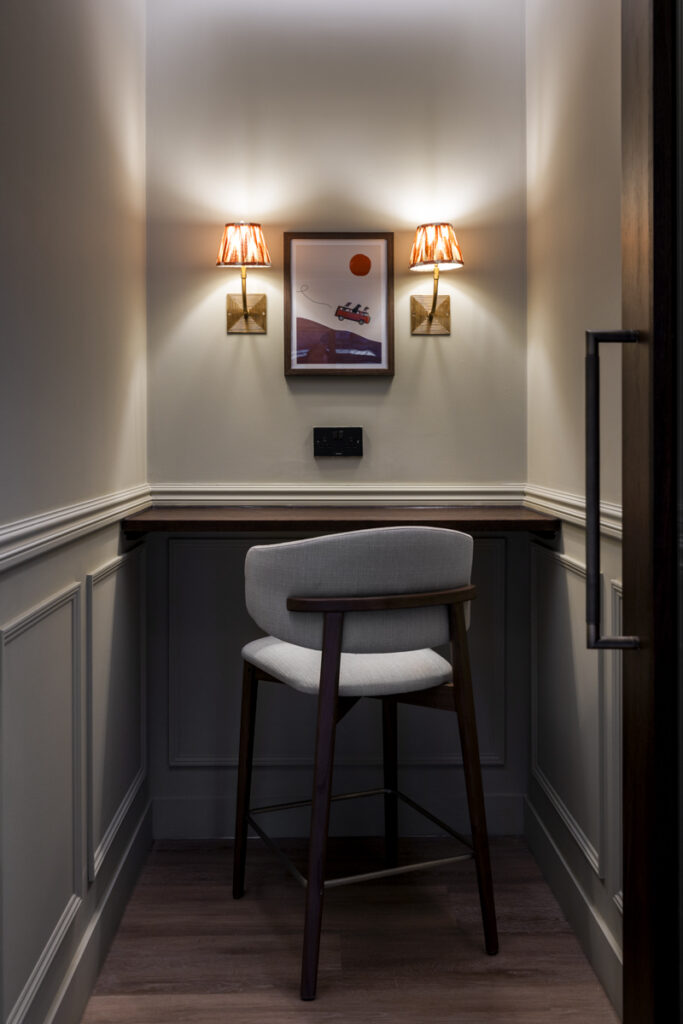
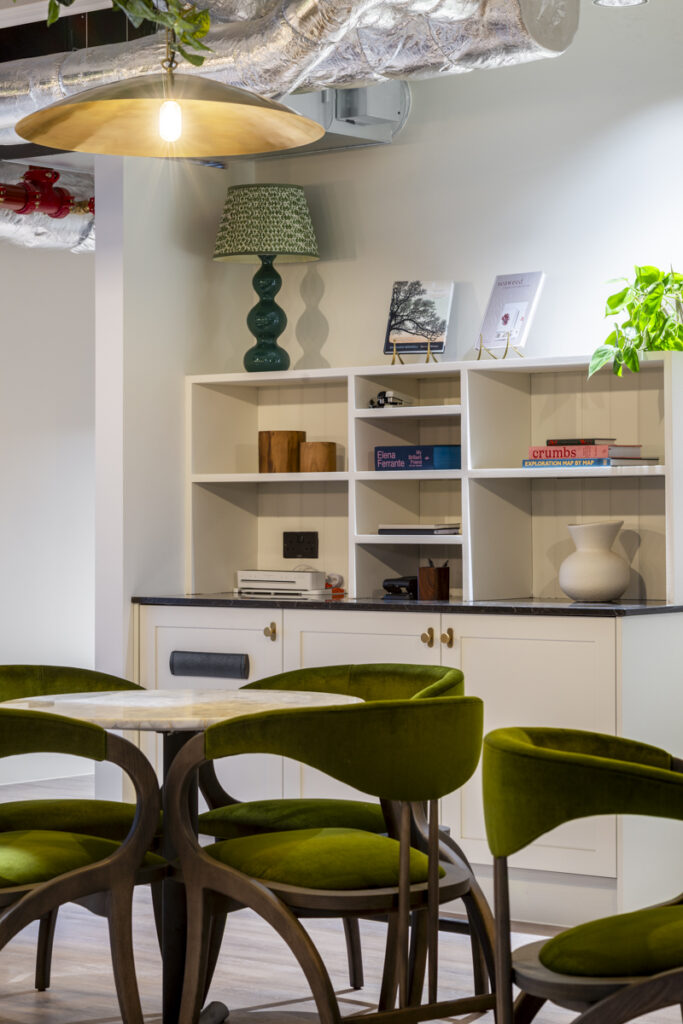
Why we use vertical framing in workplace photography
When we shoot vertical frames, we’re not simply following a trend.
We’re tapping into a format that helps people understand the space faster and with more clarity. It highlights height, structure, materiality, and the rhythm of a layout in a way that naturally fits the way modern audiences consume content.
Vertical photography allows us to:
- highlight human scale
- emphasise tall design elements
- bring focus to materials and textures
- guide the eye with clean, intentional framing
- create scroll stopping images for social platforms
It gives workplace design the presence it deserves in a digital world dominated by portrait orientation.
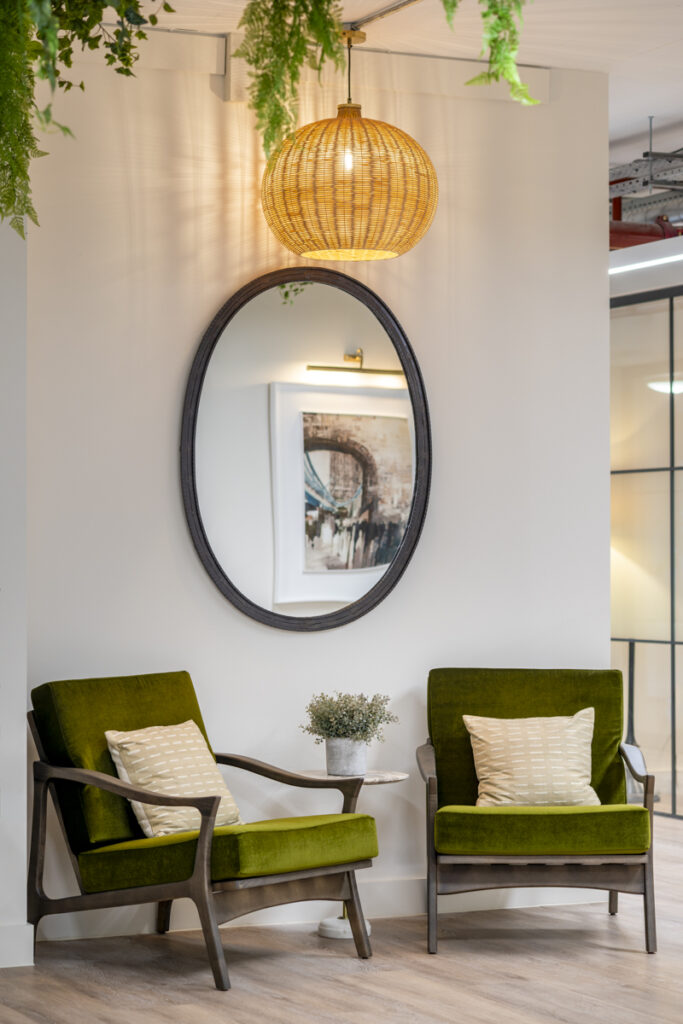
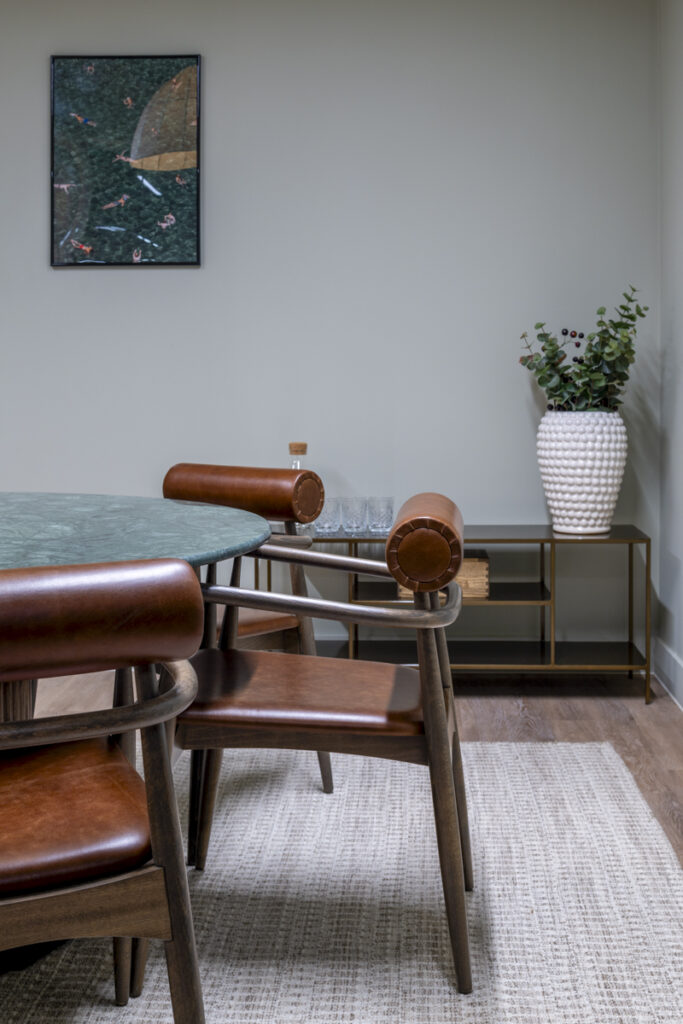
The trend is here to stay
Social media photography trends will always evolve, but the shift toward vertical content has moved from trend to standard.
It’s not a gimmick.
It’s an alignment between technology, behaviour, and the environments we move through every day.
For designers, workplace strategists, and brands, leveraging vertical imagery isn’t just about keeping up.
It’s about making your work feel relevant in the spaces where people first encounter it.
If you want help building a visual library that stands out on today’s platforms, we would be excited to support your next project.
Project featured : https://www.co-space.co.uk/
Share Post: